
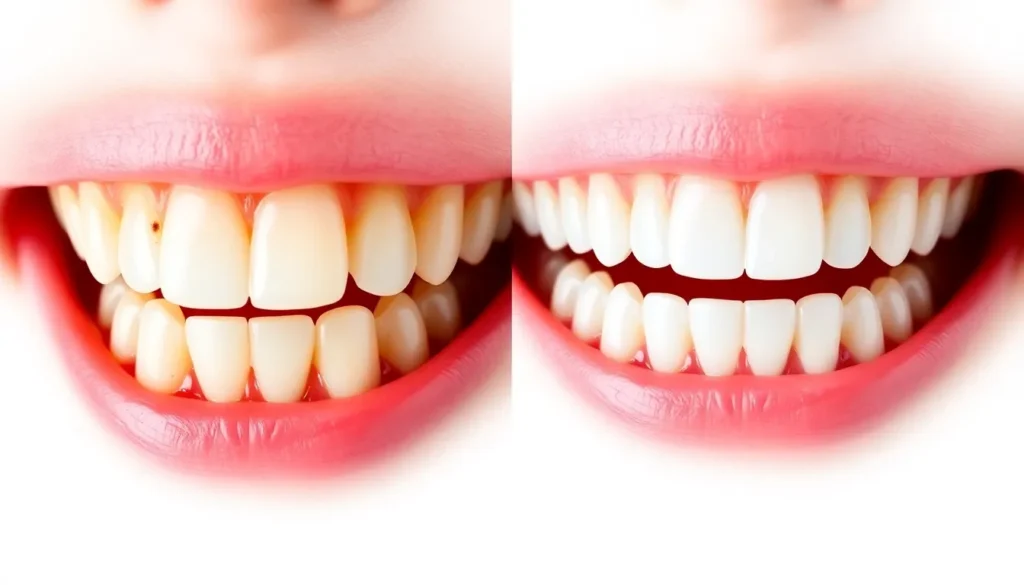
The carnivore diet has gained popularity for its focus on meat consumption. Many people switch to this diet, hoping to see various health benefits. One area of interest is dental health. This article explores common dental issues faced before and the changes seen after adopting the carnivore diet.
Key Takeaways
- The carnivore diet can lead to improved dental health by reducing the risk of cavities and gum disease through the elimination of sugars.
- Many individuals report better gum health and less plaque buildup after transitioning to a meat-based diet.
- Essential nutrients found in meat, like vitamins A and K2, contribute positively to oral health and help maintain tooth enamel integrity.
- While there are benefits, some may face increased tooth sensitivity due to the lack of carbohydrates on the carnivore diet.
- Personal testimonials suggest that a carnivore diet can significantly enhance the appearance of teeth and overall dental health.
Understanding The Carnivore Diet
The carnivore diet consists solely of animal products. Those who follow it eat meat, fish, eggs, and some dairy. This diet eliminates plant-based foods completely. Proponents believe that this diet improves physical health by reducing inflammation and aiding weight loss. It also shifts the body into a state called ketosis, where fat serves as the primary energy source.
Impact of a Carnivore Diet on Dental Health
Dental health remains a crucial concern for many. The diet can influence oral health, both positively and negatively.
Before Transition: Common Dental Issues
Many individuals experience dental issues before switching to the carnivore diet. Common problems include cavities, gum disease, and sensitivity. A high-sugar diet often leads to the proliferation of harmful bacteria in the mouth. These bacteria contribute to decay and poor gum health. Also, plant-based diets high in acids can erode tooth enamel, exacerbating existing dental issues.
Influence of Diet on Tooth Enamel
Tooth enamel is the hard outer layer protecting teeth. Sugary and acidic foods can wear down this enamel over time. In contrast, a meat-based diet has a different acidity level. Some studies suggest that a lower carbohydrate intake might help maintain better tooth enamel integrity.
After Transition: Changes in Dental Health
Shifting to the carnivore diet leads to noticeable changes in dental health.
Positive Effects on Gums and Teeth
Many individuals report improved gum health after transitioning to the carnivore diet. Meat contains essential nutrients, like vitamins A and K2, that support gum health. The absence of sugars in the diet reduces the risk of cavities and gum disease.
Potential Drawbacks to Consider
While there are benefits, potential drawbacks exist. Some individuals may experience increased sensitivity because of the lack of carbohydrates. Also, a lack of variety in nutrients can lead to deficiencies in some vitamins and minerals essential for optimal oral health.
Personal Testimonials and Case Studies
Many testimonials point to positive changes in oral health after adopting a carnivore diet. Some users report a significant reduction in plaque buildup and a brighter appearance of their teeth. Others share that their gum sensitivity decreased considerably.
Case studies showcase individuals who initially struggled with dental issues. After several months on the diet, many found their overall dental health improved. The diet promoted a more alkaline oral environment and minimized harmful bacteria.