
A school for skincare specialists provides essential training for those wanting to enter the beauty and wellness industry. These programs teach students how to care for skin, perform treatments, and understand various skincare products. With the growing demand for qualified skincare experts, this educational path offers numerous opportunities.
Key Takeaways
- A school for skincare specialists equips individuals with essential training to enter the beauty and wellness industry.
- Skincare programs vary in length and can lead to entry-level positions in salons, spas, and dermatology offices.
- Students gain key skills such as skin analysis, treatment techniques, and strong communication, enabling personalized client service.
- Accreditation is vital when choosing a skincare school, as it ensures the program meets industry standards and enhances job prospects.
- Graduates can pursue diverse career paths, including estheticians, medical assistants, or business owners in skincare services.
Overview Of Skincare Specialist Programs
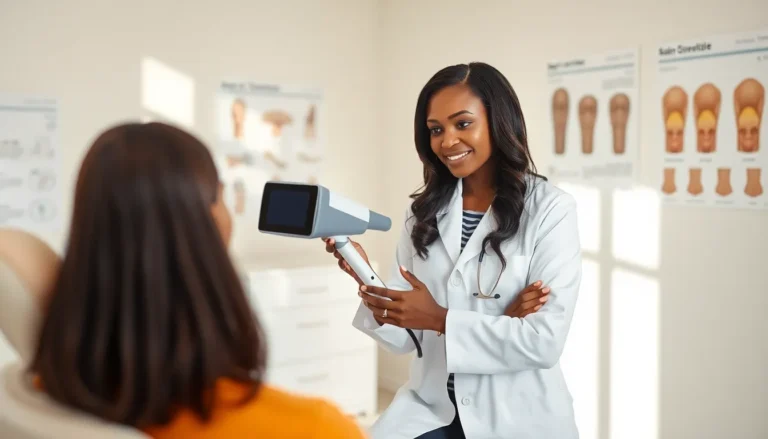
Skincare specialist programs focus on educating students about skin health, anatomy, and treatment techniques. These programs typically last from a few months to two years, depending on the institution. Students learn about skin types, common skin conditions, and appropriate treatments. This training prepares them for entry-level positions in salons, spas, and dermatology offices. The curriculums often include hands-on experience, allowing students to practice their skills on real clients under supervision.
Key Skills Developed In Skincare Education
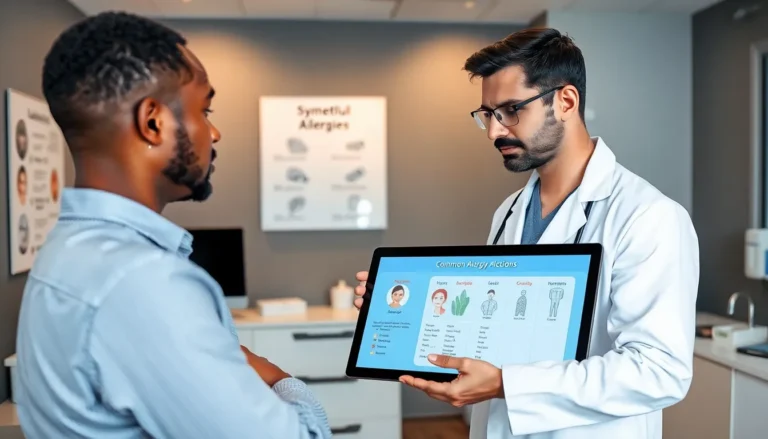
Students develop several key skills during their training. First, they learn how to analyze skin types and conditions. This knowledge enables them to recommend specific treatments and products. Second, they acquire proficiency in various skincare treatments. This includes facials, chemical peels, and microdermabrasion. They also learn about sanitation and safety procedures to maintain a clean work environment. Finally, skincare specialists develop strong communication skills, essential for understanding client needs and providing personalized recommendations.
Types Of Programs Available
There are different types of programs available for those interested in becoming skincare specialists. Diploma programs focus on practical skills and typically last six months to one year. Associate degree programs last two years and cover a broader range of subjects, including business management and advanced skincare techniques. Online programs are also available, providing flexibility for students who need to balance education with other commitments. These programs often consist of self-paced modules that cover essential theoretical knowledge.
Accreditation And Certification
Before enrolling in a school for skincare specialists, it is crucial to check the accreditation status of the institution. Accreditation ensures that the program meets specific standards set by regulatory bodies. After completing a program, graduates often seek state licensure. This process usually requires passing a certification exam. Certification enhances job prospects and demonstrates a commitment to professionalism in the field.
Choosing The Right School For You
Choosing the right school for skincare education is essential. Prospective students should consider factors such as location, cost, and available programs. Visiting schools to observe classes and speak with instructors can provide valuable insight. It is also helpful to research the school’s job placement rates after graduation. A school with strong industry connections can offer better internship and job opportunities.
Career Opportunities For Skincare Specialists
Graduates from skincare specialist programs have various career opportunities. They often find jobs in salons and spas as estheticians. Some skincare specialists may choose to work in medical settings, assisting dermatologists with treatments. Others might launch their own businesses, offering skincare services directly to clients. Also, experienced specialists might venture into product sales or educational roles, teaching others about skincare.