Laser treatment for skin pigmentation offers a modern solution for uneven skin tones. This method targets pigmented areas effectively, making the skin appear clearer. Understanding this treatment helps individuals make informed choices about their skin care. This article outlines the key aspects of laser treatment for skin pigmentation, from its workings to aftercare.
Key Takeaways
- Laser treatment for skin pigmentation effectively targets uneven skin tones by breaking down excess melanin.
- Common types of pigmentation include melasma, sunspots, and post-inflammatory hyperpigmentation, all of which can be treated with laser therapy.
- The procedure is quick, usually completed in about 30 minutes, and requires minimal downtime for recovery.
- Proper aftercare, including sun protection and moisturizing, is essential to achieve optimal results from laser treatment.
- Consultation with a specialist ensures the right laser type is chosen for your specific pigmentation concerns.
Understanding Skin Pigmentation
Skin pigmentation occurs when certain areas of the skin become darker than surrounding areas. This condition often results from excess melanin production, the pigment responsible for skin color. Several factors can contribute to pigmentation issues, including sun exposure, hormonal changes, and genetic predispositions. These factors can lead to conditions like melasma, age spots, and sun damage, which can be frustrating for those seeking even skin tone. Knowing these triggers is the first step toward effective treatment.
Common Types of Skin Pigmentation
Several common types of skin pigmentation include:
- Melasma: Typically appears as brown or gray-brown patches, mainly on the face. Hormonal changes during pregnancy or contraceptive use can trigger this condition.
- Sunspots: Also known as liver spots, these often develop after years of sun exposure. They usually occur on areas with high sun exposure, like the face and hands.
- Post-Inflammatory Hyperpigmentation: This follows skin injury or inflammation, such as acne or cuts, resulting in dark spots.
- Freckles: Small brown spots that are mostly genetic. They can darken with sun exposure and appear on lighter skin types.
Recognizing these types helps in choosing the right treatment.
How Laser Treatment Works
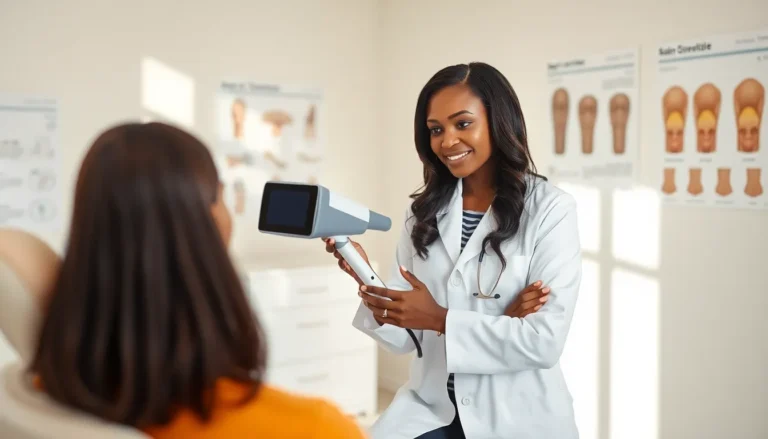
Laser treatment for skin pigmentation utilizes focused light to target pigmented cells. The process begins with a consultation where a specialist examines the skin and determines the appropriate laser type.
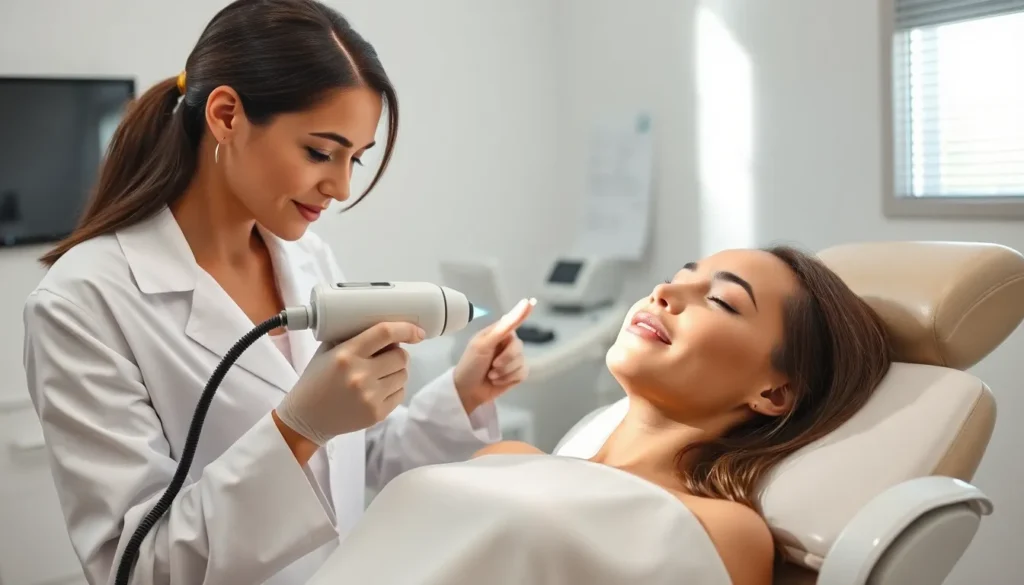
During the procedure, the laser delivers energy to the affected areas. This energy breaks down melanin in the skin, allowing the body to absorb and eliminate it naturally. The laser also promotes collagen production, leading to smoother and more even skin over time. The treatment is precise and usually quick, making it a popular choice.
Benefits of Laser Treatment
Laser treatment comes with numerous benefits:
- Targeted Treatment: It specifically targets pigmented areas without affecting surrounding skin, minimizing damage.
- Speed: Many treatments take just 30 minutes, making them convenient for busy schedules.
- Effectiveness: Many patients see significant results within a few sessions, with improved skin tone noted after treatment.
- Minimal Downtime: Recovery is usually quick. Most people can return to their normal activities shortly after the procedure.
What to Expect During the Procedure
During the laser treatment procedure, patients can expect several key steps:
- Pre-Treatment Preparation: The skin is cleaned, and protective eyewear is provided.
- Laser Application: The laser is applied to targeted areas. Patients often describe the sensation as similar to a rubber band snap, followed by a slight warming sensation.
- Cooling Mechanisms: Many devices have built-in cooling systems that help minimize discomfort.
- Post-Treatment Assessment: After the procedure, the specialist assesses the skin’s response and gives guidelines for aftercare.
Understanding these steps can help ease any pre-treatment anxiety.
Aftercare for Laser Treatment
Proper aftercare is crucial for optimal results after laser treatment:
- Sun Protection: Avoid sun exposure and apply broad-spectrum sunscreen diligently.
- Moisturizing: Keep the treatment area hydrated. Use gentle, non-irritating moisturizers.
- Avoid Picking: Do not pick at the skin, as this can lead to scarring or infection.
- Follow-Up Appointments: Attend any scheduled follow-up visits to monitor progress and address concerns.
These steps provide essential support for healing and help maintain the new skin appearance.