
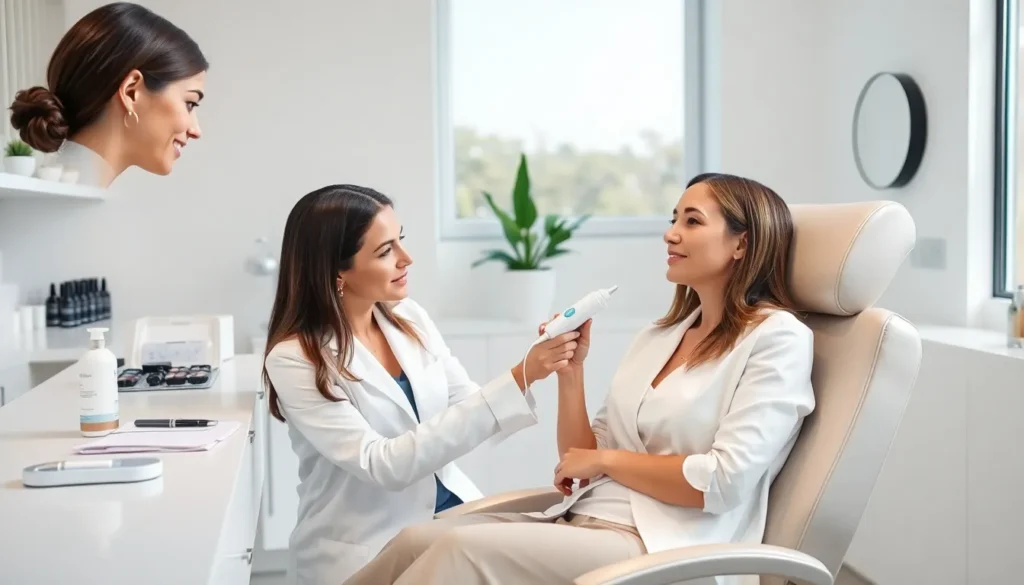
Microneedling is a popular skin treatment. Many people ask how often they should receive it. This article explores the microneedling process, its benefits, and the ideal frequency for treatments. Knowing the right schedule helps maintain healthy skin and achieve the best results.
Key Takeaways
- Microneedling stimulates collagen production for smoother, firmer skin and can help with various skin issues.
- Generally, treatments are recommended every four to six weeks for optimal microneedling results.
- Factors such as skin type, specific skin concerns, and age can influence how often you should get microneedling.
- Younger individuals may need fewer sessions, while older individuals typically benefit from more frequent treatments.
- Proper post-treatment care is essential; hydration and avoiding sun exposure can enhance recovery and results.
Understanding Microneedling
Microneedling involves using fine needles to create tiny punctures in the skin. This process stimulates the body’s natural healing response. It promotes collagen and elastin production, leading to smoother and firmer skin. Microneedling is often used for various skin issues, including scars, wrinkles, and enlarged pores.
Benefits of Microneedling
Microneedling offers several benefits. First, it improves skin texture and tone. Second, it reduces the appearance of scars and fine lines. Third, it enhances the absorption of skincare products. This treatment also helps with acne and overall skin rejuvenation. Many people report a radiant glow after microneedling sessions.
Recommended Frequency of Treatment
The frequency of microneedling depends on various factors. Generally, practitioners suggest treatments every four to six weeks for optimal results. But, individual factors can influence this schedule.
Factors Influencing Treatment Frequency
Several factors can affect how often a person should get microneedling. These include skin type, skin concerns, and age.
Skin Type and Concerns
Each skin type responds differently to microneedling. For example, individuals with oily or acne-prone skin may benefit from more frequent sessions. Those with sensitive skin may need extended recovery time between treatments.
Age and Skin Condition
Age plays a role in microneedling frequency. Younger individuals may require fewer sessions due to their skin’s natural healing ability. Older individuals often need more frequent treatments to combat signs of aging and improve skin quality.
Post-Treatment Care and Recovery
Proper post-treatment care is crucial for optimal results. After microneedling, the skin may appear red and feel sensitive. Individuals should avoid direct sun exposure and harsh skincare products for a few days. Hydration is essential, so using a gentle moisturizer can aid recovery. Following the practitioner’s aftercare instructions is vital for achieving the best outcome.
Listening to Your Skin
Each person’s skin is unique. Hence, individuals should pay attention to their skin’s response after treatments. If any irritation or prolonged redness occurs, it may indicate the need to adjust treatment frequency. Consulting with a skincare professional can provide personalized recommendations.