
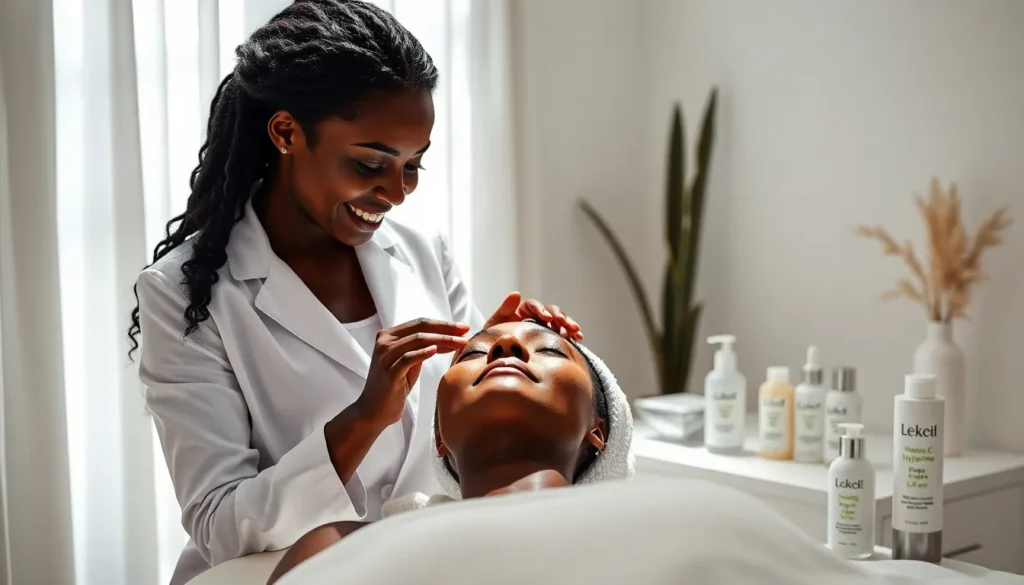
Facials for black skin are essential in achieving healthy, vibrant skin. Black skin has unique characteristics and requirements. Understanding these factors can guide individuals toward effective facial treatments that enhance skin health and beauty. This article explores various aspects of facials specifically suited for black skin, ensuring readers make informed choices for their skincare routines.
Key Takeaways
- Facials for black skin are essential to address unique characteristics like hyperpigmentation and increased oiliness.
- Hydrating, exfoliating, and brightening facials are particularly beneficial for managing specific concerns in black skin.
- Look for key ingredients like vitamin C and hyaluronic acid in facials to promote skin brightness and hydration.
- Consult with skincare professionals experienced in black skin to choose the right facial treatment tailored to individual needs.
- Proper aftercare, including hydration and sunscreen, is critical for maintaining the benefits of facials for black skin.
Key Takeaways
- Facials tailored for black skin can help address unique concerns like hyperpigmentation and dryness.
- Opt for hydrating facials and exfoliating treatments to improve skin texture and moisture balance.
- Use natural ingredients, such as shea butter and jojoba oil, to avoid clogging pores and irritating the skin.
- Regular aftercare, including gentle cleansing and moisturizing, is vital to maximize the benefits of facial treatments.
- Sunscreen is essential post-facial to protect against UV rays and prevent further pigmentation issues.
Understanding Black Skin Types
Black skin displays diverse characteristics that differentiate it from other skin types. It typically has a higher melanin content, which grants natural protection against UV rays. This attribute reduces the risk of sun damage but can also lead to specific issues. Black skin tends to be thicker and oilier, which may contribute to enlarged pores and acne. Also, it is prone to hyperpigmentation, particularly after any skin injury.
Common Skin Concerns Among Black Individuals
Black individuals often face unique skin concerns. One of the most common issues is hyperpigmentation, resulting from inflammation or injury. Acne can lead to post-inflammatory hyperpigmentation, leaving dark spots that linger long after the blemish is gone. Other concerns include dryness, sensitivity, and uneven skin tone. Understanding these specific issues can help tailor treatments that address them effectively.
Types of Facials Suitable for Black Skin
Several types of facials cater to the needs of black skin. Hydrating facials are beneficial as they combat dryness and provide moisture. Exfoliating facials help remove dead skin cells and improve skin texture. Brightening facials can target hyperpigmentation, promoting an even skin tone. Also, deep-cleansing facials address excess oil and enlarged pores, ensuring a clearer complexion. It’s crucial to choose facials that consider the specific characteristics of black skin.
Ingredients to Look For in Facials
When selecting facials for black skin, certain ingredients stand out. Look for products containing vitamin C, which helps brighten skin and reduce hyperpigmentation. Hyaluronic acid is essential for hydration, providing moisture without clogging pores. Also, niacinamide can improve skin texture and tone. Avoid harsh ingredients that may cause irritation. Opt for gentle exfoliants, such as lactic acid or fruit enzymes, that are less abrasive on delicate skin.
Tips for Choosing the Right Facial Treatment
Choosing the right facial treatment involves a few key considerations. First, identify your skin type and concerns. Consulting a skincare professional can provide valuable insights into the best treatments for individual needs. Next, consider the ingredients in the products used during the facial. Make sure they cater to black skin and avoid allergens or irritants. Finally, research estheticians experienced with black skin to guarantee effective treatment.
Aftercare and Maintenance for Optimal Results
After a facial, proper aftercare is vital for maintaining results. Follow your esthetician’s advice on skincare routines and products. Use gentle cleansers that won’t strip the skin of moisture. Incorporate hydrators like serums or moisturizers with suitable ingredients. Don’t skip sunscreen, as UV protection remains crucial, even for darker skin. Regular follow-ups and skincare adjustments can help maintain healthy skin.