
Benzoyl peroxide is a common ingredient in many acne treatments. But, some individuals may develop an allergy to it. Recognizing this allergy is crucial for effective treatment. This article provides insights into benzoyl peroxide, how to identify an allergy, and management strategies.
Key Takeaways
- Benzoyl peroxide is effective for acne treatment, but some individuals may develop an allergy to it.
- Common symptoms of a benzoyl peroxide allergy include redness, itching, swelling, and severe dryness.
- Discontinuing the use of benzoyl peroxide at the first sign of an allergic reaction is crucial for skin health.
- Dermatologists recommend patch tests to diagnose benzoyl peroxide allergies accurately.
- Safe alternatives to benzoyl peroxide for acne treatment include salicylic acid, AHAs, and topical retinoids.
Understanding Benzoyl Peroxide
Benzoyl peroxide is a chemical compound often found in topical acne medications. It serves as an antibacterial agent and helps reduce inflammation.
Common Uses of Benzoyl Peroxide
Many people use benzoyl peroxide to treat acne. It helps in controlling acne breakouts by killing bacteria on the skin and drying excess oil. It is also effective for treating other skin conditions, such as rosacea or folliculitis.
How Benzoyl Peroxide Works
Benzoyl peroxide works by releasing oxygen into the skin. This action targets the bacteria that cause acne. It also helps to unclog pores by removing dead skin cells, preventing future breakouts.
Identifying Allergic Reactions
Some users may experience allergic reactions to benzoyl peroxide. Recognizing these symptoms is essential for health and safety.
Symptoms of Benzoyl Peroxide Allergy
Allergic reactions can vary in severity. Common symptoms include:
- Redness or irritation at the application site
- Itching or burning sensation
- Swelling of the skin
- Severe peeling or dryness
If any of these symptoms occur, it is important to discontinue use immediately.
Causes of Benzoyl Peroxide Allergy
An allergic reaction may occur due to a hypersensitivity to benzoyl peroxide or other ingredients in the product. Individuals with a history of skin allergies are at a higher risk. Also, those who use multiple skin care products may face increased risk due to ingredient interactions.
Diagnosing a Benzoyl Peroxide Allergy
Proper diagnosis is key to managing allergic reactions effectively.
Tests for Allergic Reactions
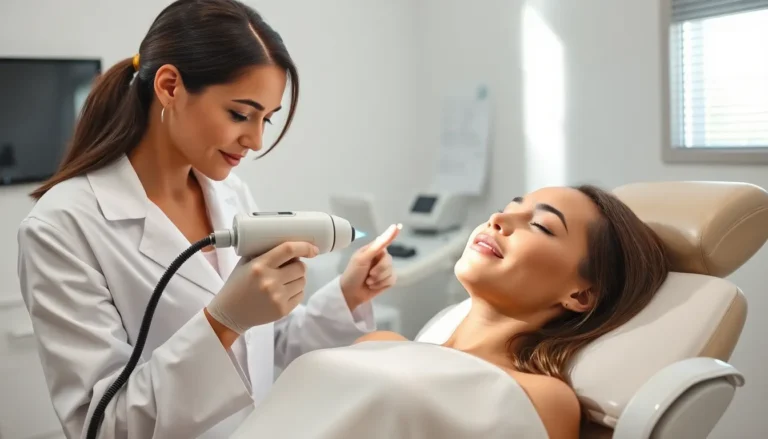
Skin patch tests are the most common way to diagnose allergies. A dermatologist applies a small amount of benzoyl peroxide to the skin and monitors the reaction over a few days. If a reaction occurs, it confirms an allergy.
Consultation with a Dermatologist
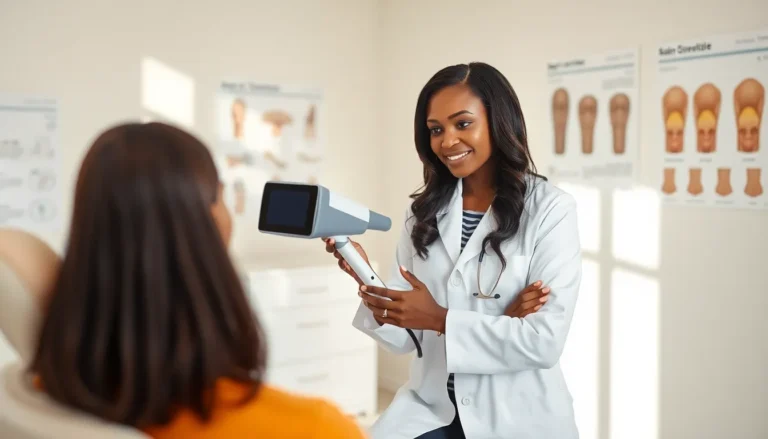
Seeing a dermatologist is essential if someone suspects an allergy. They can offer guidance on alternative treatments and may recommend tests to confirm the allergy.
Managing a Benzoyl Peroxide Allergy
Managing a benzoyl peroxide allergy is crucial for maintaining skin health.
Alternative Treatments for Acne
Many alternatives exist for treating acne without benzoyl peroxide. Salicylic acid and alpha hydroxy acids (AHAs) can help reduce acne without the risk of an allergic reaction. Topical retinoids are also effective.
Home Remedies and Skin Care Tips
Home remedies can provide relief from acne and irritation. A gentle cleanser can help keep the skin clean. Applying aloe vera gel can soothe irritated skin. Always use a non-comedogenic moisturizer to keep the skin hydrated.