Benzoyl peroxide is a common treatment for acne. Many people wonder if it can also help with acne scars. Understanding its effects on both active acne and scars is important. This article explores the nature of acne scars, how benzoyl peroxide works, its limitations, and alternative treatments.
Key Takeaways
- Benzoyl peroxide is effective for treating active acne but does not significantly improve existing acne scars.
- Understanding the different types of acne scars is crucial for determining the best treatment approach.
- While benzoyl peroxide helps reduce inflammation and prevent new breakouts, it is not a primary solution for established scars.
- Alternative treatments, such as chemical peels and laser therapy, can provide better results for diminishing acne scar appearance.
- Starting with a lower concentration of benzoyl peroxide is recommended to assess skin tolerance and minimize side effects.
Key Takeaways
- Benzoyl peroxide is effective in treating active acne by exfoliating the skin and killing acne-causing bacteria.
- While benzoyl peroxide can prevent new breakouts, its effectiveness in reducing existing acne scars is limited.
- Two main types of acne scars are atrophic, which are indentations, and hypertrophic, which are raised areas due to excess collagen.
- When using benzoyl peroxide, be cautious of skin irritation and dryness, particularly for sensitive skin types.
- Consider alternative treatments like retinoids and alpha hydroxy acids for targeted scar reduction.
Understanding Acne Scars
What Causes Acne Scars?
Acne scars form when acne damages the skin. The body produces collagen to heal the damage, but this healing can lead to uneven healing and scars. Several factors influence scar formation, including the severity of acne, skin type, and individual healing processes.
Types of Acne Scars
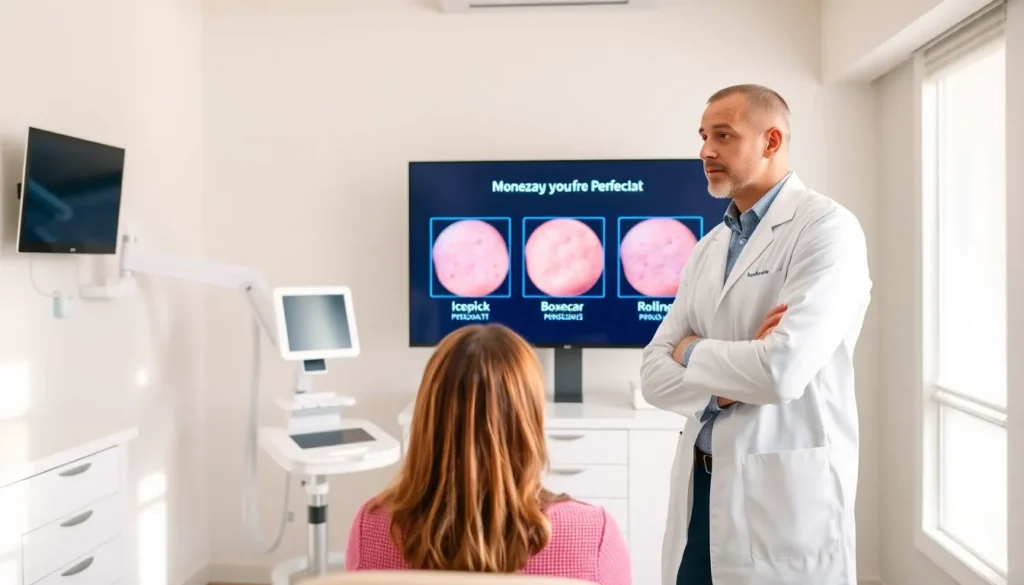
There are several types of acne scars:
- Ice Pick Scars: These are deep, narrow scars that look like small holes.
- Boxcar Scars: These are wider and have steep edges. They resemble round or oval shapes.
- Rolling Scars: These form when the skin is tethered under the surface, causing a wave-like appearance.
- Hypertrophic Scars: These are raised and occur from excessive collagen production during healing.
Understanding these scars is crucial when considering treatments like benzoyl peroxide.
How Benzoyl Peroxide Works on Acne
Mechanism of Action
Benzoyl peroxide is an antimicrobial agent. It kills the bacteria that cause acne and helps reduce inflammation. It also promotes the shedding of dead skin cells. When applied, it penetrates the skin and releases oxygen, which helps prevent the growth of acne-causing bacteria.
Benefits for Active Breakouts
When dealing with active acne, benzoyl peroxide can reduce redness and swelling. It works effectively by drying out excess oil and unclogging pores. This helps prevent new outbreaks, which can, in turn, lead to fewer acne scars.
Limitations of Benzoyl Peroxide for Scars
Effectiveness on Different Scar Types
Benzoyl peroxide primarily targets active acne rather than existing scars. While it can reduce inflammation and prevent new acne from forming, it does not significantly diminish the appearance of established scars. For ice pick and boxcar scars, other treatments may be more effective.
Potential Side Effects
Benzoyl peroxide can cause side effects, including dryness, peeling, and irritation. Some people may experience redness or a stinging sensation. These side effects can vary based on skin sensitivity and product concentration. Users should start with a lower concentration to assess tolerance.
Other Treatments for Acne Scars
For better results on acne scars, consider other treatments. Scar treatments include:
- Chemical Peels: These remove the outer layer of skin, promoting new skin growth.
- Laser Therapy: This helps stimulate collagen production and improve skin texture.
- Microneedling: This procedure creates tiny wounds that prompt healing and collagen production.
- Fillers: For hypertrophic scars, fillers can raise the skin and minimize the scar’s appearance.
Consulting a dermatologist can help determine the best approach.