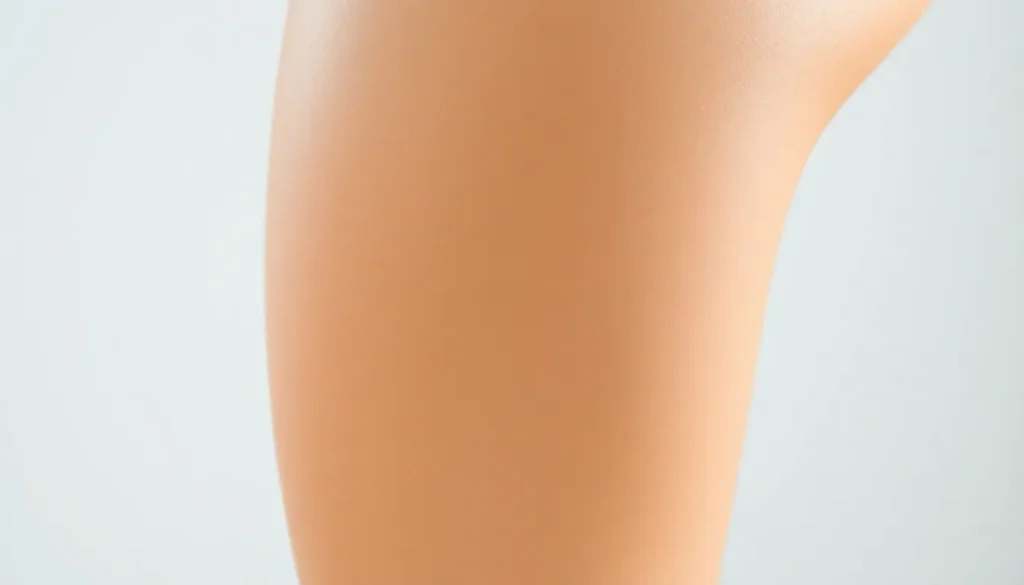
Orange peel texture skin describes a condition where the skin appears dimpled or lumpy. This texture resembles the surface of an orange. It can affect various areas of the body, most commonly the thighs and buttocks. Many people notice this texture and seek ways to improve their skin. Understanding orange peel texture skin is the first step in addressing it effectively.
Key Takeaways
- Orange peel texture skin, often seen on thighs and buttocks, is characterized by a bumpy, dimpled appearance that can affect anyone.
- Factors such as genetics, hormonal changes, and age can contribute to the development of orange peel texture skin.
- A consistent skincare routine that includes exfoliation, hydration, and the use of firming creams can significantly improve skin texture.
- Professional treatments like laser therapy and chemical peels can offer more immediate improvements for those concerned about orange peel texture skin.
- Preventive measures such as regular exercise, maintaining a healthy weight, and using sunscreen are essential for minimizing the risk of this skin issue.
What Is Orange Peel Texture Skin?
Orange peel texture skin, often referred to as “cottage cheese skin,” occurs when the skin develops a bumpy or lumpy appearance. This texture can result from various factors, including excess fat deposits or changes in skin structure. While it is not a medical condition, many view it as an aesthetic concern. It can occur in individuals of all body types and skin tones. Understanding its characteristics helps in identifying concerns and seeking solutions.
Causes of Orange Peel Texture Skin
Several factors can contribute to the development of orange peel texture skin. These include:
- Genetics: Family history can play a significant role. If close relatives have this texture, others may develop it as well.
- Hormonal Changes: Fluctuations in hormone levels, particularly during puberty or pregnancy, can lead to this skin texture.
- Weight Fluctuations: Significant weight gain or loss can impact skin elasticity, resulting in an uneven texture.
- Ageing: As skin matures, it loses collagen and elasticity, contributing to the dimpled appearance.
- Lack of Skin Care: Poor skincare routines may exacerbate the issue, as neglect can cause skin health to decline.
Identifying Symptoms of Orange Peel Texture Skin
Individuals with orange peel texture skin may notice several distinct symptoms, including:
- Dimpling: The most noticeable symptom is the dimpled skin surface, often found on thighs, buttocks, and arms.
- Texture Changes: Skin may feel rough or uneven to the touch.
- Localized Areas: The texture often appears in specific areas rather than uniformly across the skin.
- Lack of Smoothness: The skin lacks the usual smoothness typically associated with healthy skin.
Skincare Routines to Combat Orange Peel Texture
A consistent skincare routine can help improve the appearance of orange peel texture skin. Here are some effective steps:
- Exfoliation: Regularly exfoliate the skin to remove dead skin cells. This process can help smooth the surface and improve texture.
- Hydration: Use moisturizers that contain ingredients like hyaluronic acid to hydrate the skin. Well-hydrated skin looks plumper and smoother.
- Firming Creams: Consider using firming creams with caffeine or retinol. These ingredients can help tighten the skin and reduce the lumpy appearance.
- Healthy Diet: Eating a balanced diet rich in antioxidants and healthy fats can improve overall skin health.
Professional Treatments for Orange Peel Texture Skin
For those seeking more immediate results, professional treatments are available, including:
- Laser Therapy: This treatment uses lasers to target and reduce skin texture issues. The procedure promotes collagen production and helps smooth the skin.
- Ultrasound Therapy: Ultrasound technology can help lift and tighten the skin, improving its overall appearance.
- Chemical Peels: A dermatologist can apply chemical peels to exfoliate the skin deeply. This process can improve texture significantly.
- Microneedling: This procedure stimulates collagen production by creating micro-injuries in the skin. It can help improve skin texture over time.
Preventive Measures for Orange Peel Texture Skin
Preventing orange peel texture skin involves adopting healthy habits:
- Regular Exercise: Engaging in exercise helps improve circulation and skin tone. Strength training can also reduce fat deposits.
- Maintain a Healthy Weight: Keeping a stable weight through diet and exercise can help prevent changes in skin texture.
- Use Sunscreen: Protecting the skin from UV rays prevents damage and maintains skin elasticity.
- Stay Hydrated: Drinking enough water keeps the skin hydrated. Well-hydrated skin looks smoother and healthier.