
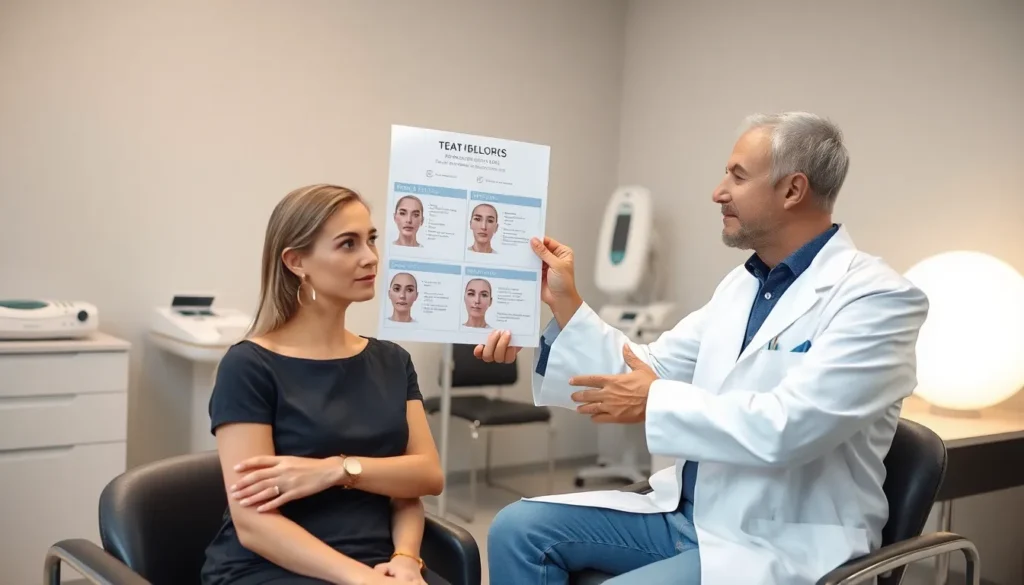
Seal scars on the face can be a source of concern for many individuals. These scars often result from specific skin conditions or accidents. Understanding their causes and available treatments is essential. This article explores what seal scars are, their common causes, and viable treatment options to reduce their appearance. Knowledge about preventive measures and the right time to seek professional advice will also be provided.
Key Takeaways
- Seal scars can arise from injuries, severe acne, infections, or surgical procedures, impacting both appearance and self-esteem.
- Topical treatments, laser therapy, and chemical peels are effective methods for reducing the appearance of seal scars.
- Preventing seal scars involves proper skin care, including using sunscreen, avoiding picking at the skin, and maintaining hydration.
- Consult a dermatologist if scars show signs of infection, pain, or changes in appearance for a tailored treatment approach.
- Understanding the causes and treatments of seal scars empowers individuals to manage their skin health effectively.
Key Takeaways
- Seal scars, resembling the skin texture of seals, can result from injuries, surgeries, or skin conditions.
- Topical treatments, laser therapy, and microneedling are effective options for reducing the visibility of seal scars.
- Preventing seal scars starts with proper wound care, including thorough cleaning and moisturizing.
- Natural home remedies like aloe vera and honey can help improve the appearance of seal scars.
- Consult a dermatologist if scars persist, change, or cause discomfort to ensure appropriate treatment.
What Are Seal Scars?
Seal scars are a type of scar that appears on the skin due to various reasons. They often occur when the skin suffers injury, irritation, or inflammation. The skin heals, but it may leave a raised, flat, or discolored mark. Seal scars can be the result of deep cuts, acne, or certain skin conditions. They can affect a person’s appearance and may impact self-esteem.
Common Causes Of Seal Scars
Several factors can lead to the formation of seal scars.
1. Injuries
Accidents or trauma that causes cuts or abrasions can leave scars after healing.
2. Acne
Severe acne can lead to scarring. When the body’s natural healing process includes excess collagen production, it can form scars.
3. Infections
Skin infections that cause inflammation can result in scarring. Examples include conditions like chickenpox or shingles.
4. Surgical Procedures
Any surgical intervention may leave a scar. Surgical scars depend on the depth and nature of the surgery.
Understanding these causes can help in better managing and preventing seal scars.
Treatment Options For Seal Scars
Several effective treatments exist for managing seal scars.
1. Topical Treatments
Over-the-counter creams or gels may help. Scar treatments containing silicone, retinoids, or vitamin E are popular options.
2. Laser Therapy
Laser treatments can reduce the appearance of scars. They work by encouraging new skin growth and promoting healing.
3. Chemical Peels
These treatments can remove the outer layer of skin. They reveal the healthier skin beneath and help diminish the appearance of scars.
4. Microneedling
This process involves tiny needles that create micro-injuries in the skin. It stimulates collagen production, leading to smoother skin over time.
5. Surgery
In severe cases, surgical options may be available to remove or reduce the size of the scar. Consulting with a dermatologist is necessary for a tailored approach.
Preventing Seal Scars
Preventing seal scars starts with proper skin care and awareness.
1. Protect the Skin
Using sunscreen can shield the skin from harmful UV rays. This protection helps prevent discoloration in healing scars.
2. Avoid Picking
Refraining from picking at acne or injuries can significantly reduce the risk of scarring.
3. Moisturize Regularly
Keeping the skin hydrated can help in its natural healing process. Moisturized skin is less likely to scar.
4. Healthy Diet
A balanced diet rich in vitamins and minerals supports skin health. Nutrients aid the healing and regeneration of the skin.
Taking these preventive measures can lead to healthier skin and fewer scars.
When To Consult A Dermatologist
Consulting a dermatologist is necessary in specific situations. Seek professional advice if:
- The scar appears infected, showing increased redness, swelling, or discharge.
- The scar becomes painful or uncomfortable.
- You see changes in the appearance of the scar, such as an increase in size or color shift.
- You are considering advanced treatments or surgical options.
- You want advice on managing multiple scars or preventing future ones.
A dermatologist can provide tailored advice and recommend the best treatment for an individual’s needs.