
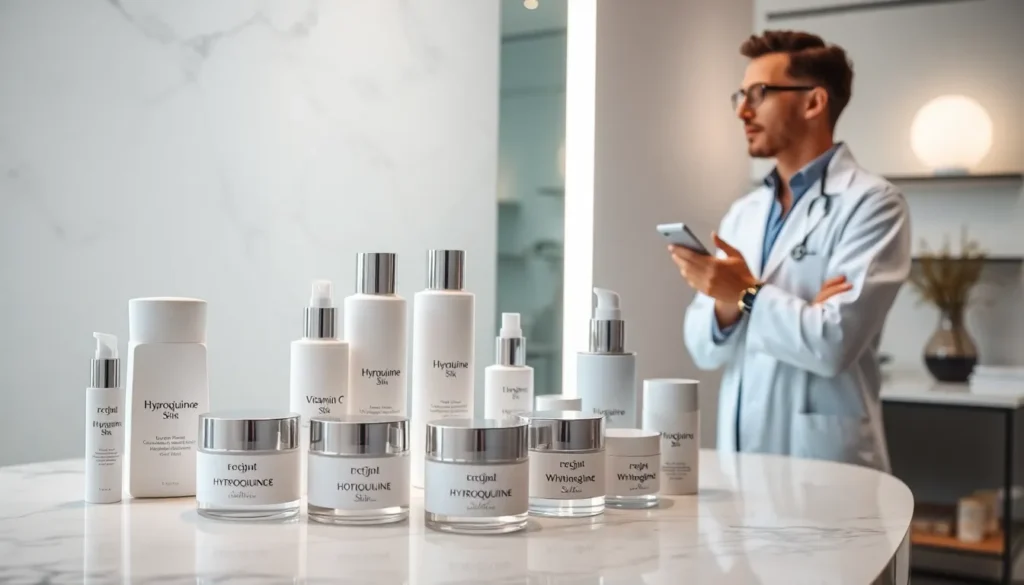
Whitening skin products are popular among many who seek to lighten skin tone and reduce dark spots. These products often promise a more radiant complexion. Understanding their ingredients and safety is crucial for users. This guide explores diverse aspects of whitening skin products, helping consumers make informed choices.
Key Takeaways
- Whitening skin products can lighten skin tone and reduce dark spots, but understanding their ingredients is crucial for safety.
- Key ingredients such as hydroquinone, kojic acid, and vitamin C effectively target hyperpigmentation and enhance skin brightness.
- Safety regulations vary by region, so consumers should verify product certifications and consult dermatologists before use.
- Choosing effective whitening skin products involves knowing your skin type, researching ingredients, and reviewing user testimonials.
- Natural alternatives, like licorice extract and yogurt, can offer lighter skin solutions with fewer side effects.
Understanding Skin Whitening
Skin whitening refers to the process of lightening skin tone. This often involves reducing melanin production in the skin. Melanin is the pigment responsible for skin color. Many consumers look for products that can brighten their complexion or treat issues like hyperpigmentation. While skin whitening is popular, cultural perceptions of beauty vary. Individuals have different reasons for using these products, ranging from aesthetic goals to managing skin conditions.
Types of Whitening Ingredients
Several common ingredients appear in whitening skin products. Here are a few of the most effective:
- Hydroquinone: This ingredient reduces melanin production. It is often used in creams and serums.
- Kojic Acid: This natural substance comes from fungi and inhibits melanin synthesis.
- Vitamin C: Known for its antioxidant properties, Vitamin C can brighten skin while providing protection from free radicals.
- Niacinamide: This vitamin helps even skin tone and reduces dark spots.
- Alpha Hydroxy Acids (AHAs): AHAs, like glycolic acid, can exfoliate skin, promoting cell turnover and lightening pigmentation.
Each ingredient has its unique benefits and can be chosen based on individual skin concerns.
Safety and Regulation of Whitening Products
Safety is a crucial consideration in choosing whitening skin products. In many regions, such products undergo regulation to ensure they are safe for consumer use. But, not all products may meet these standards. Some ingredients, like hydroquinone, might be banned in certain countries due to concerns over long-term use. Consumers should look for certifications or approvals from skin health organizations. Reading labels carefully for ingredients and instructions is also important. Patch testing a new product before full application can help identify potential allergies or reactions.
Tips for Choosing Effective Products
To select the best whitening skin products, consider the following tips:
- Know Skin Type: Different skin types may respond better to specific ingredients. Oily skin might need different solutions than dry or sensitive skin.
- Research Ingredients: Choose products with proven effective ingredients. Look for those backed by scientific studies or recommendations from dermatologists.
- Seek Endorsements: Check reviews and testimonials from other users. A product with a strong positive reputation can be a good indicator of effectiveness.
- Be Mindful of Claims: If a product claims to deliver extreme results quickly, it may not be trustworthy.
- Consult Professionals: Consider consulting a dermatologist before starting any whitening regimen. They can recommend safe options tailored to individual needs.
Natural Alternatives to Chemical Products
For those cautious about chemicals, natural alternatives can offer safe options. Some people prefer plant-based or herbal remedies. Here are a few popular natural ingredients for skin whitening:
- Licorice Extract: This natural ingredient can lighten dark spots and is gentle on skin.
- Rice Powder: Historically used in many cultures, rice powder can exfoliate and lighten skin.
- Papaya Enzymes: The enzyme papain from papaya can help slough away dead skin cells and promote a brighter appearance.
- Yogurt: The lactic acid in yogurt can gently lighten skin and improve texture.
- Aloe Vera: Known for its soothing properties, aloe can brighten skin and reduce blemishes.
These alternatives often come with fewer side effects, making them appealing to many.