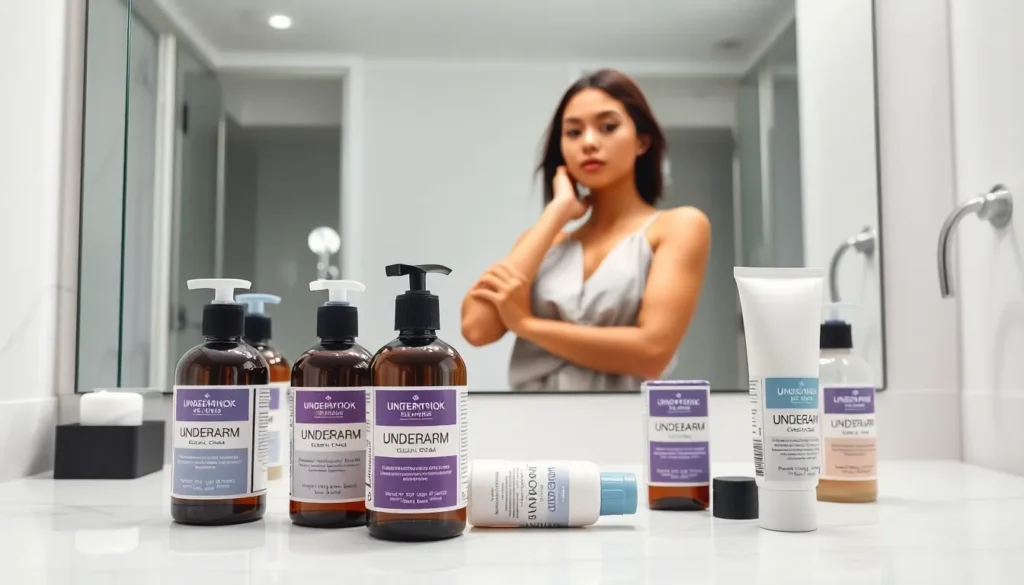
Underarm bleaching cream is a product that lightens the skin in the underarm area. Many people want a smoother and lighter appearance for various reasons. This article explores the nature of underarm bleaching, why people use it, its common ingredients, safe usage methods, possible side effects, and alternatives.
Key Takeaways
- Underarm bleaching cream effectively lightens dark skin underarms, improving confidence for sleeveless styles.
- Common ingredients like hydroquinone, kojic acid, and vitamin C are crucial for achieving safe and effective skin lightening.
- Always perform a patch test and follow product instructions to minimize skin irritation when using underarm bleaching creams.
- Alternatives such as exfoliating scrubs and natural remedies can gradually lighten skin without harsh chemicals.
- Consulting a dermatologist before starting any bleaching regimen is vital to avoid potential side effects like skin irritation.
What Is Underarm Bleaching?
Underarm bleaching is a cosmetic procedure aimed at lightening dark skin in the underarm area. Many individuals experience darkening due to friction, shaving, or hormonal changes. The creams used provide a lighter skin tone by targeting melanin, the pigment responsible for skin color. Users apply these creams to achieve a more even skin tone and boost their confidence in wearing sleeveless clothing.
Why Do People Use Underarm Bleaching Creams?
People use underarm bleaching creams for multiple reasons. Many seek to enhance their appearance, particularly before summer or events where sleeveless outfits are common. Some individuals feel self-conscious about dark underarms and wish to boost their confidence. Others may wish to achieve a uniform look across their body. Cultural influences also play a role, with lighter skin often being favored in certain societies.
Common Ingredients in Underarm Bleaching Creams
Underarm bleaching creams typically contain specific ingredients designed to lighten skin. Common components include:
- Hydroquinone: Known for its skin-lightening effects.
- Kojic Acid: A natural compound derived from fungi that inhibits melanin production.
- Arbutin: A safer alternative to hydroquinone, derived from the bearberry plant.
- Vitamin C: This antioxidant brightens skin and has additional health benefits.
- Glycolic Acid: An exfoliant that removes dead skin cells, aiding the absorption of lightening agents.
Always check product labels and choose creams with safe and effective ingredients.
How to Use Underarm Bleaching Creams Safely
To use underarm bleaching creams safely, follow these guidelines:
- Patch Test: Always conduct a patch test on a small skin area to check for allergic reactions.
- Read Instructions: Follow the product’s instructions carefully. Each cream may have different guidelines for optimal results.
- Small Amounts: Use a small amount at first and gradually increase, if needed. Applying too much can lead to irritation.
- Frequency of Use: Limit applications to recommended frequencies to avoid skin damage.
- Moisturize: After using the cream, apply a gentle moisturizer to keep the skin hydrated and avoid dryness.
Possible Side Effects of Underarm Bleaching Creams
While underarm bleaching creams can lighten skin, they may cause side effects. Common side effects include:
- Skin Irritation: Redness or itching may occur, especially for those with sensitive skin.
- Allergic Reactions: Some ingredients may cause allergies. Symptoms include swelling or rashes.
- Darkening of the Skin: Ironically, improper use may lead to darker skin over time.
- Photo-Sensitivity: Some ingredients can make the skin more sensitive to sunlight, increasing the risk of sunburn.
It’s crucial to consult with a dermatologist before starting any bleaching regimen to minimize risks.
Alternatives to Underarm Bleaching
If underarm bleaching creams do not seem suitable, several alternatives exist:
- Exfoliating Scrubs: These can remove dead skin cells and improve skin tone naturally.
- Natural Remedies: Ingredients like lemon juice or turmeric may lighten the skin gradually but require regular use.
- Laser Treatments: Dermatologists offer professional treatments that can lighten underarms permanently.
- Staying Dry: Keeping the underarms dry and avoiding tight clothing can help reduce darkening.
- Shaving Techniques: Shaving less frequently or using different hair removal methods can help manage skin color change.